
Understanding HoReCa Water Solutions
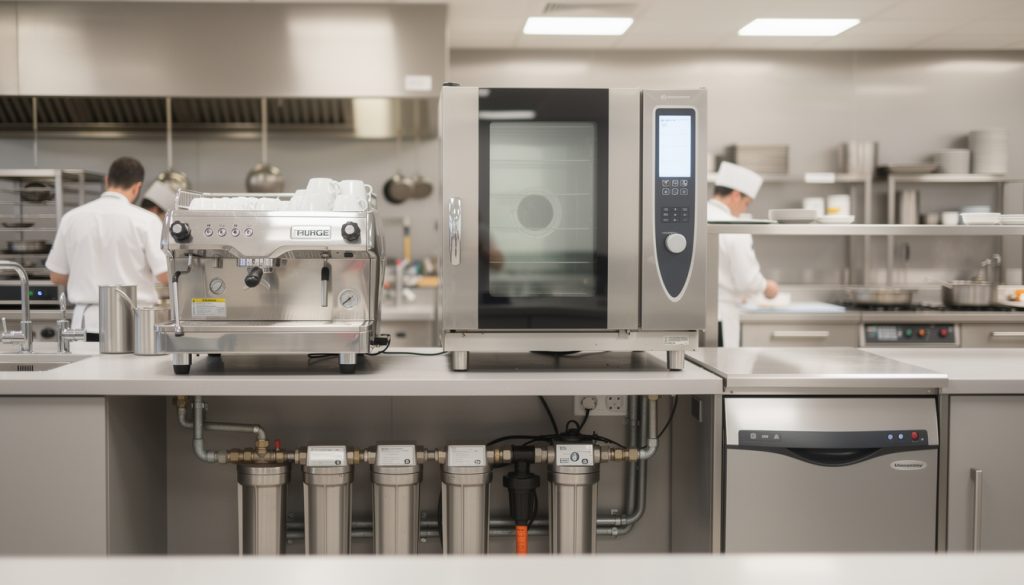
HoReCa Water Solutions encompass specialized water treatment and filtration systems designed for hotels, restaurants, and cafés. These systems target multiple water quality challenges that impact both customer experience and operational efficiency in hospitality venues. Modern commercial kitchen water filtration addresses everything from taste and odor issues to equipment protection through scale prevention.
Water purification for restaurants involves multiple stages of treatment, depending on local water conditions and specific applications. A typical HoReCa water treatment system might include sediment removal for protecting sensitive equipment, chlorine reduction for improving beverage taste, and scale control for extending appliance lifespan. The configuration varies based on whether the venue prioritizes beverage quality, equipment protection, or both.
Different equipment types within hospitality venues require specific water characteristics. Espresso machines need balanced mineral content for optimal extraction, ice makers benefit from filtered water for clarity, and combi ovens require scale prevention to maintain heating efficiency. This diversity in requirements explains why food service water systems often incorporate multiple treatment technologies rather than relying on a single filtration approach.
Why Different Areas in HoReCa Venues Need Specific Water Treatment
Front-of-house applications like table water service and beverage dispensers focus primarily on taste, odor, and visual appeal. Back-of-house operations including coffee brewing, ice production, and warewashing prioritize equipment protection and operational consistency. This division creates distinct treatment priorities within the same facility.
Commercial kitchen water filtration requirements vary significantly between applications. Drinking water benefits most from chlorine removal and taste enhancement, while steam equipment demands scale prevention to avoid costly maintenance issues. A single filter cannot address both taste improvement and hardness reduction effectively, necessitating targeted treatment approaches for different water uses.
Addressing Common Water Challenges in Hospitality
Municipal water supplies, while meeting safety standards, often present operational challenges for hospitality venues. Chlorine taste and odor can negatively impact coffee, tea, and other beverages. Hard water minerals cause limescale buildup in heating elements, reducing equipment efficiency and requiring frequent descaling procedures. Sediment and particulates can clog spray nozzles and damage sensitive valve components.
Water quality hospitality issues extend beyond basic safety concerns to operational costs and customer satisfaction. Inconsistent beverage quality due to chlorine fluctuations can affect repeat business, while premature equipment failure from scale buildup increases maintenance expenses. The economic impact of these water-related problems often justifies the investment in specialized treatment systems.
HoReCa water treatment addresses specific operational challenges that standard municipal treatment does not resolve. While tap water meets drinking standards, it may not support optimal performance for specialized hospitality equipment or deliver the taste consistency that customers expect from professional beverage service.
Key Water Quality Parameters for Commercial Kitchens
Water hardness and alkalinity directly correlate with scale formation potential in heating equipment. Total Dissolved Solids indicate overall mineral content, affecting both taste and equipment performance. Chlorine and chloramine levels impact beverage flavor, while turbidity measurements reveal particulate content that can damage equipment components. Understanding these parameters helps determine appropriate treatment strategies for specific applications.
Professional kitchens monitor these water characteristics to prevent equipment problems and maintain consistent food and beverage quality. Food safety guidelines establish baseline requirements, but hospitality operations often need stricter standards for optimal performance. Regular water testing identifies when treatment systems require adjustment or maintenance.
Enhancing Beverage Quality and Preventing Equipment Issues
Water filtration for ice machine and coffee machine applications focuses on removing compounds that affect taste while maintaining beneficial minerals for proper extraction. Precise mineral balance ensures consistent flavor profiles across different batches and locations. Temperature stability in brewing equipment depends partly on consistent water composition, making treatment systems valuable for maintaining operational standards.
The best water filter for restaurant applications balances multiple factors including flow rate requirements, space constraints, and specific water quality goals. Systems designed for beverage service prioritize taste enhancement, while those protecting expensive equipment emphasize scale prevention and particulate removal.
Why Cloudy Ice Occurs and How Filtration Helps
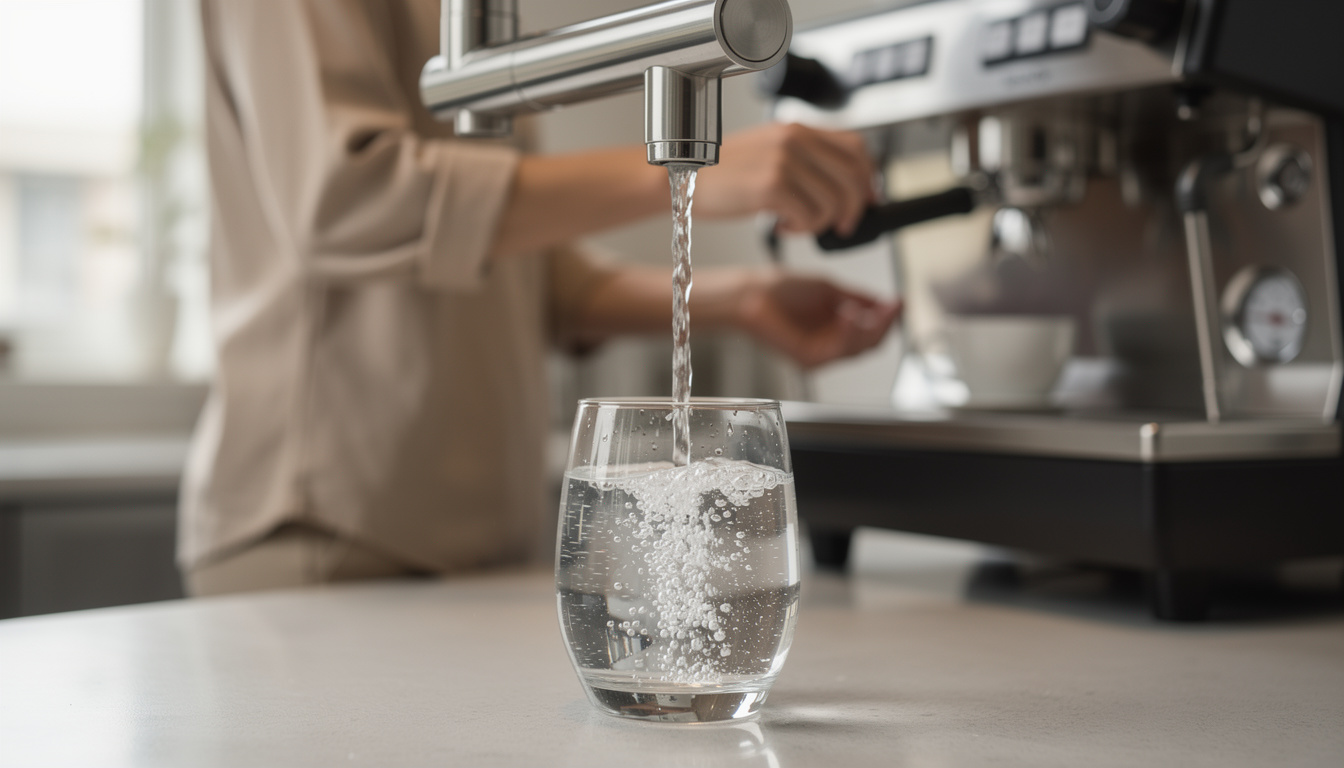
Cloudy ice results from dissolved gases, mineral content, and inconsistent freezing patterns. Proper filtration reduces mineral-related cloudiness, producing clearer ice that enhances drink presentation. Crystal clear water treatment systems address mineral content while maintaining appropriate dissolved oxygen levels for optimal ice formation.
What causes cloudy ice in restaurants includes rapid freezing that traps air bubbles, high mineral content that creates visible deposits, and inadequate filtration that allows particulates to remain in the water. Commercial kitchen water filtration systems specifically designed for ice applications typically include sediment removal and scale control technologies.
Understanding Activated Carbon Filtration
Activated carbon effectively removes chlorine taste and odor along with certain organic compounds that affect beverage quality. This technology excels at improving sensory characteristics but does not address hardness or scale formation. Commercial kitchen water filtration systems often combine carbon treatment with other technologies to provide comprehensive water conditioning for multiple applications within the same facility.
Advanced Water Treatment Technologies
What is Reverse Osmosis for Restaurants and Hotels?
Reverse osmosis systems remove up to 95% of dissolved solids from water, creating very pure water suitable for specialty beverage applications and steam-generating equipment. Water quality standards for commercial use often exceed basic safety requirements, making RO systems valuable for applications requiring consistent low-mineral water.
Reverse osmosis for restaurants pros and cons include excellent contaminant removal and consistent water quality versus higher water waste and potential need for remineralization. UV water treatment for hospitality applications often complements RO systems by providing microbial protection without affecting mineral content or taste.
What is UV Water Treatment in Food Service Water Systems?
UV water treatment uses ultraviolet light to inactivate microorganisms without adding chemicals or affecting water taste. These systems provide an additional safety barrier for specific applications where microbial control is paramount. Advanced automatic systems often integrate UV treatment as a final disinfection stage following mechanical filtration.
UV treatment specifically targets microbiological concerns and requires pre-filtration to remove particulates that can shield microorganisms from UV light. This technology works best when incorporated into comprehensive treatment systems rather than as standalone solutions.
Water Softening vs. Filtration
Water softening removes calcium and magnesium minerals to prevent scale buildup in dishwashers, combi ovens, and espresso machines. Water treatment methods serve different purposes, with softening targeting specific minerals while filtration addresses taste, odor, and particulates. Water softener vs filtration for commercial kitchen applications often requires both technologies working together rather than choosing one over the other.
These processes address different water quality challenges and complement each other in comprehensive HoReCa water solutions. Softening prevents equipment damage from scale while filtration improves taste and protects against particulate damage.
Selecting and Maintaining HoReCa Water Solutions
Choosing the right commercial kitchen water filtration system begins with comprehensive water analysis to identify specific contaminants and quality characteristics. Each application within a hospitality venue has distinct requirements that influence treatment technology selection. Flow rate demands, available installation space, and maintenance capabilities affect system design and implementation.
How to choose a commercial water filtration system involves evaluating current water quality, identifying specific improvement goals, and matching treatment technologies to operational requirements. Water purification for restaurants must balance performance, cost, and maintenance considerations while meeting health department requirements and operational standards.
System Sizing for Peak Demand
Proper sizing requires calculating peak simultaneous demand from multiple equipment pieces during busy periods. Undersized systems create pressure drops and inconsistent performance, while oversized systems increase costs and may create water stagnation issues. Food service water systems with storage components like RO tanks need adequate reserve capacity to handle rush periods without performance degradation.
Filter Replacement and Maintenance Schedule
How often to change commercial water filters depends on incoming water quality, system capacity, and actual usage volume. Performance indicators include reduced flow rates, return of taste or odor issues, increased equipment scaling, and system pressure alarms. How often should restaurant water filters be replaced varies by application, but establishing documented schedules prevents performance degradation and extends equipment life.
Cost Considerations and Return on Investment
How much does a commercial water filtration system cost varies based on technology selection, capacity requirements, and installation complexity. Initial equipment costs range from basic single-stage filters to comprehensive multi-technology systems. Operating expenses include filter replacement, maintenance, and utilities, while potential savings come from reduced equipment repairs, extended appliance life, and improved operational efficiency.
HoReCa Water Solutions provide return on investment through multiple channels including decreased equipment downtime, reduced maintenance costs, improved beverage consistency, and eliminated bottled water expenses. Indirect benefits include staff time savings from reduced descaling requirements and fewer emergency service calls for scale-related equipment failures.
| Treatment Technology | Best Applications | Primary Benefits | Limitations |
|---|---|---|---|
| Activated Carbon | Beverage service, drinking water | Chlorine removal, taste improvement | No hardness reduction, limited mineral removal |
| Sediment Filtration | Equipment protection, pre-treatment | Particulate removal, valve protection | No chemical or mineral treatment |
| Water Softening | Steam equipment, dishwashers | Scale prevention, equipment protection | No taste improvement, requires salt |
| Reverse Osmosis | Specialty beverages, steam generation | Comprehensive mineral removal | Water waste, may need remineralization |
| UV Treatment | Microbial control, point-of-use | Chemical-free disinfection | Requires pre-filtration, lamp maintenance |
AQUAPHOR Professional (APRO) is a water treatment technology company, part of AQUAPHOR Corporation, specializing in customizable water purification solutions for industrial and commercial sectors worldwide.
What are the main benefits of installing water treatment systems in restaurants?
Water treatment systems improve beverage taste and consistency, reduce equipment maintenance costs through scale prevention, extend appliance lifespan, and enhance overall operational efficiency while potentially eliminating bottled water expenses.
How often should commercial water filters be replaced?
Replacement frequency depends on water quality, usage volume, and filter type, typically ranging from every 3-6 months for high-use applications. Performance indicators like reduced flow rates or taste changes signal replacement needs regardless of time schedules.
Can one water treatment system handle all applications in a restaurant?
Different applications require specific treatment approaches, so comprehensive solutions often use multiple technologies. Beverage service benefits from taste and odor removal, while equipment protection requires scale prevention, necessitating targeted treatment for optimal results.
What water quality issues affect coffee and beverage quality most?
Chlorine content significantly impacts taste and aroma, while mineral balance affects extraction and flavor development. Inconsistent water composition creates variable beverage quality, making consistent treatment important for professional beverage service.
click here for more info: https://aquaphorpro.com/